
Europe’s Small Towns Beyond the Tourist Trail: 10 Places Worth Discovering
Introduction: Discover a Different Side of Europe
When people imagine a European holiday, they often picture famous destinations such as Paris, Rome, London or Amsterdam. These cities offer incredible experiences, but Europe has another side waiting to be explored: small historic towns, peaceful coastal destinations, colourful streets, medieval buildings and beautiful landscapes.
Travelling beyond the biggest tourist centres can give you a different perspective on European culture. You might spend an afternoon walking through a centuries-old old town, enjoy views over a quiet harbour, explore a historic castle or discover local food in a family-run restaurant.
Not every small town is undiscovered, and some popular places can become crowded during peak season. However, travelling outside the busiest months, starting your sightseeing early and exploring nearby villages can help you enjoy a more relaxed experience.
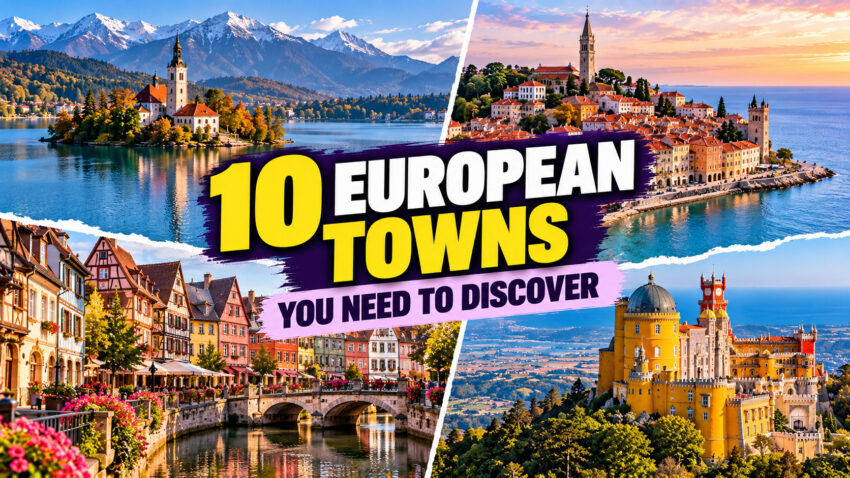
If you are planning your next European adventure, here are 10 small towns and smaller destinations worth adding to your travel list in 2026.
1. Ptuj, Slovenia — A Historic Town Full of Character
If you want to discover a historic destination away from Europe’s biggest cities, consider Ptuj in northeastern Slovenia.
Ptuj is known for its long history, traditional wine culture and hilltop castle overlooking the surrounding area. Slovenia’s government highlighted Ptuj as Europe’s Best Cultural Heritage Town for 2026, recognising its historical architecture, cultural life and traditions. <Link url=”https://www.gov.si/en/news/2025-10-09-ptuj-is-the-best-cultural-heritage-town-in-europe-for-2026/” title=”Source: Government of Slovenia”/>.
What to see and do
- Visit Ptuj Castle and explore its museum collections.
- Walk through the historic old town.
- Discover local traditions, cultural events and regional food.
- Explore the surrounding countryside and wine-growing areas.
Who should visit?
Ptuj is a good option for travellers interested in history, local culture and destinations that receive less international attention than Europe’s best-known capitals.
Travel tip: Check local event dates before visiting. Cultural celebrations can make the town especially lively, while quieter dates may suit travellers who prefer relaxed sightseeing.
2. Piran, Slovenia — A Coastal Town With Venetian Charm
Piran sits on Slovenia’s Adriatic coast and is known for its narrow streets, historic buildings and seaside atmosphere. Its development was closely connected to the salt trade, and Venetian influences remain visible in the town’s architecture. <Link url=”https://www.slovenia.info/en/places-to-go/attractions/piran-and-salt-pans” title=”Source: Slovenia Tourism”/>.
What to see and do
- Explore Tartini Square, the town’s central gathering place.
- Walk through the narrow lanes of the old town.
- Visit St George’s Church for views over the coast.
- Discover the historic salt-making tradition of the region.
- Enjoy a walk along the waterfront.
Piran is particularly appealing to travellers who enjoy combining history with coastal scenery. Its compact centre also makes it suitable for a leisurely walking visit.
Travel tip: Coastal towns can be busy during summer. Consider visiting in spring or early autumn if you prefer milder weather and a more relaxed pace. Check transport and accommodation options before travelling.
3. Colmar, France — Colourful Streets and Alsatian Culture
Located in northeastern France, Colmar is famous for its traditional houses, canals, historic centre and regional food. The local tourism office describes it as a town with a distinctive Alsatian identity and a well-preserved historical centre. <Link url=”https://www.tourisme-colmar.com/en/visit” title=”Source: Colmar Tourism Office”/>.
What to see and do
- Walk through the picturesque Little Venice district.
- Admire the traditional half-timbered houses.
- Visit the historic buildings around the old town.
- Explore local markets and regional food.
- Use Colmar as a starting point for visiting nearby Alsatian villages.
Colmar is a strong choice for photographers, couples and travellers who enjoy architecture and charming streets. It is not an undiscovered destination, so popular areas may be crowded, particularly during holiday periods.
Travel tip: If you have additional time, look into nearby villages in the Alsace wine-growing region. A wider itinerary can offer more variety than spending the entire trip in one town.
4. Sintra, Portugal — Palaces in a Green Landscape
Just outside Lisbon, Sintra offers a different atmosphere from Portugal’s capital. The town sits near a mountain range and is known for its historic palaces, gardens and lush natural surroundings.
Portugal’s official tourism portal describes Sintra as a UNESCO World Heritage cultural landscape, recognised for the relationship between its natural setting and historic buildings. <Link url=”https://www.visitportugal.com/en/NR/exeres/6BEF1189-D6BD-4473-856B-604FCEF22106” title=”Source: Visit Portugal”/>.
What to see and do
- Visit Pena Palace and its colourful architecture.
- Explore the historic centre.
- Discover the gardens and estates of the area.
- Learn about Sintra’s royal and cultural history.
- If time allows, explore nearby coastal scenery.
Sintra is a good option for travellers who enjoy architecture, gardens and cultural sightseeing. Although it is a popular day trip from Lisbon, staying longer can give you more time to explore beyond the busiest attractions.
Travel tip: Plan palace visits in advance and check official ticket information. Allow time for travel between attractions, as the hills and distances can make the itinerary more demanding than it appears on a map.
5. Bled, Slovenia — Lakeside Scenery and Alpine Views
Bled is a scenic destination in the Julian Alps region of Slovenia. It is best known for its lake, island church, surrounding mountains and outdoor activities.
The official Bled tourism website highlights the area’s natural setting and its emphasis on sustainable tourism. <Link url=”https://www.bled.si/en/about-bled/2699/” title=”Source: Bled Tourism”/>.
What to see and do
- Walk along the shores of Lake Bled.
- Take in the views of Bled Island.
- Visit Bled Castle for a different perspective over the lake.
- Explore nearby walking routes and natural attractions.
- Try local specialities in cafés and restaurants.
Bled is ideal for travellers who want to combine a small-town stay with outdoor activities and beautiful scenery. However, its popularity means that some viewpoints and lakeside areas can be busy.
Travel tip: Start your walk early in the day, particularly during summer. Check local weather conditions before planning hikes or other outdoor activities.
6. Škofja Loka, Slovenia — A Step Into Medieval History
Škofja Loka is another Slovenian historic town worth considering if you enjoy medieval architecture and cultural heritage.
Its old town, traditional buildings and castle give it a distinctive historic character. It is also featured among Slovenia’s historic towns in European tourism resources. <Link url=”https://visiteurope.com/experiences/stories-historic-slovenian-towns” title=”Source: Visit Europe”/>.
What to see and do
- Walk through the historic centre.
- Explore the area around Loka Castle.
- Photograph the traditional buildings and old streets.
- Learn about the town’s local history.
- Use the town as a starting point for exploring the surrounding countryside.
Škofja Loka may suit travellers who prefer cultural exploration to a packed schedule of major attractions.
Travel tip: Check opening hours for museums and historic sites before your visit, especially if you are travelling outside the main tourist season.
7. Český Krumlov, Czechia — A Fairytale-Like Old Town
Český Krumlov is known for its historic streets, castle complex and distinctive setting beside the Vltava River. Its architecture and compact centre make it an appealing destination for travellers interested in history and photography.
Although the town is widely known among visitors to Czechia, it can still offer a different pace from Prague, especially if you stay overnight rather than arriving only for a short visit.
What to see and do
- Explore the historic old town on foot.
- Visit the castle complex and its viewpoints.
- Photograph the river and traditional rooftops.
- Browse local shops and cafés.
- Discover regional Czech food.
Travel tip: Popular streets can become crowded during the day. An early-morning walk or an overnight stay may give you more opportunities to enjoy the atmosphere at a quieter time.
8. Rovinj, Croatia — A Colourful Adriatic Escape
On Croatia’s Istrian coast, Rovinj is known for its waterfront, old-town streets and Mediterranean atmosphere. It offers a mix of coastal scenery, historic architecture and opportunities to enjoy local food.
What to see and do
- Wander through the old town’s narrow streets.
- Explore the waterfront and harbour.
- Visit St Euphemia’s Church and the surrounding viewpoints.
- Enjoy local seafood and Istrian cuisine.
- Spend time along the coast or explore nearby areas.
Rovinj can work well for couples, photographers and travellers who want a coastal break that combines sightseeing with time by the sea.
Travel tip: Summer is a popular period for the Croatian coast. Compare accommodation prices and transport options for different months before deciding when to visit.
9. Perast, Montenegro — A Small Town Beside a Spectacular Bay
Perast is a compact historic town on the Bay of Kotor in Montenegro. Its waterfront setting, old stone buildings and mountain backdrop make it an appealing stop for travellers exploring the Adriatic region.
Although Montenegro is not a member of the European Union, it is a useful addition to a wider European travel itinerary. Remember that entry rules differ by nationality and destination.
What to see and do
- Walk along the waterfront.
- Admire the historic stone architecture.
- Enjoy views across the bay.
- Look into boat excursions to nearby attractions, checking local operating conditions.
- Explore the wider Bay of Kotor region.
Perast is a good choice for visitors who enjoy scenic coastal destinations and a slower pace of travel.
Travel tip: Do not assume that a Schengen visa automatically grants entry to Montenegro. Check the latest official entry requirements for your passport before booking.
10. Gjirokastër, Albania — Stone Houses and Living History
Gjirokastër, in southern Albania, is known for its historic architecture, stone-roofed houses and castle overlooking the town. It offers a different cultural experience from many of Europe’s better-known Western European destinations.
What to see and do
- Explore the historic bazaar and old-town streets.
- Visit Gjirokastër Castle.
- Learn about the town’s architecture and history.
- Try traditional Albanian food.
- Explore the surrounding region if your itinerary allows.
Gjirokastër may appeal to travellers looking for history, local culture and a destination that feels distinct from Europe’s most familiar tourist centres.
Travel tip: Streets in historic hill towns can be steep or uneven. Comfortable walking shoes are useful, and you should check your accommodation’s location if mobility or luggage access is a concern.
How to Plan a Trip to Europe’s Smaller Towns
A small-town itinerary can be rewarding, but planning transport and accommodation is important. Some destinations have frequent rail or bus connections, while others require additional transfers or a rental car.
1. Choose towns that work together geographically
Instead of trying to cross the continent in a few days, group nearby destinations. For example, you could combine Colmar with other places in Alsace, or explore several historic towns during a trip to Slovenia.
2. Compare transport options
Check trains, regional buses and local transfers using official transport providers. Do not assume that every small town has a railway station or direct connection from a major airport.
3. Travel outside the busiest periods when possible
Spring and early autumn can offer a pleasant balance of sightseeing conditions and fewer peak-season crowds in many destinations. Conditions vary, so check local weather, seasonal opening hours and event calendars.
4. Budget for the full trip
Accommodation, transport, attraction tickets, meals and local transfers all affect the final cost. A smaller destination is not automatically cheaper than a capital city, especially during festivals or popular holiday periods.
5. Check visa and entry requirements
European countries do not all follow the same entry rules. The Schengen Area and the European Union are not identical, and some countries outside the EU have their own entry arrangements.
Check official government or embassy information for every country on your itinerary. Do this before purchasing non-refundable travel bookings.
6. Respect local communities
Small towns are real communities, not just photo locations. Follow local rules, keep noise down in residential streets, use marked paths and support local businesses where possible.
Which Town Should You Choose?
Your ideal destination depends on the experience you want:
- For historic architecture: Ptuj, Škofja Loka or Český Krumlov.
- For coastal scenery: Piran, Rovinj or Perast.
- For colourful streets and photography: Colmar or Rovinj.
- For palaces and gardens: Sintra.
- For lakes and mountain scenery: Bled.
- For a different cultural experience: Gjirokastër.
These are suggestions rather than a definitive ranking. The best destination depends on your travel dates, budget, interests and preferred pace.
Final Thoughts
Europe offers much more than its famous capitals. From the historic streets of Slovenia to the coastal scenery of the Adriatic and the palaces of Portugal, smaller destinations can add memorable experiences to a European holiday.
You do not need to visit all ten places in one trip. Choose one region, plan a realistic route and leave time to enjoy the destination instead of rushing between attractions.
The best trip is not always the one with the most stops. Sometimes, it is the one that gives you time to discover a place properly.
Over to You
Which of these ten destinations would you visit first — Ptuj, Piran, Colmar, Sintra, Bled, Škofja Loka, Český Krumlov, Rovinj, Perast or Gjirokastër?
Share your choice in the comments, and follow TravellerTrek for more European travel inspiration and practical travel guides.
TravellerTrek Disclaimer: This article is for general informational and educational purposes. Travel conditions, transport schedules, attraction opening hours, visa rules and entry requirements can change. Verify current information through official sources before making travel arrangements. TravellerTrek is not a government authority and does not provide visa sponsorship or guarantee entry to any country.