
Europe Travel Warning: 150+ ETIAS Websites Raise Scam Concerns as Launch Is Delayed
Published: 13 October 2026
Travellers planning trips to Europe are being warned about potentially fraudulent websites offering the European Travel Information and Authorisation System (ETIAS), a new travel authorisation that has been delayed beyond 2026.
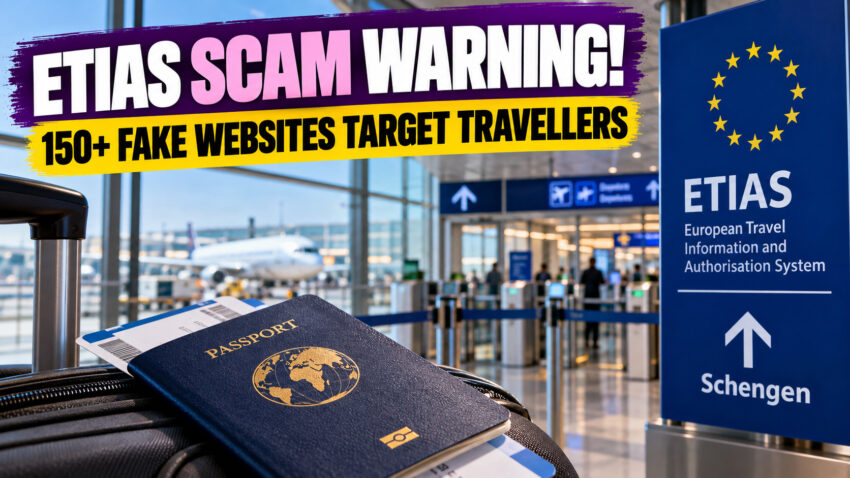
On 13 October 2026, the UK travel association ABTA warned that more than 150 websites were already offering ETIAS-related services, despite the European Union not accepting applications. The warning highlights the risk of travellers paying unnecessary fees or sharing sensitive personal and financial information with unofficial operators.
The previously announced launch window for ETIAS has been withdrawn, and no new official launch date has been confirmed. Travellers should therefore be cautious of any website claiming that they can apply for ETIAS immediately.
The most important point: ETIAS applications are not currently open. Do not pay a website claiming to secure your ETIAS authorisation today.
What Is ETIAS?
ETIAS stands for the European Travel Information and Authorisation System. It is a planned electronic travel authorisation for eligible non-EU nationals who are exempt from visa requirements for short visits to participating European countries.
The system is intended to screen eligible visitors before they travel. Once introduced, travellers who fall within its requirements will need to obtain the relevant authorisation before their journey.
ETIAS is not a traditional visa, a residence permit or a work permit. It is also different from the European Union’s Entry/Exit System (EES), which records the entry and exit of eligible non-EU travellers at participating external borders.
According to the European Union, ETIAS is planned to cover 30 European countries. Its authorisation will generally be linked to the traveller’s passport and will not, by itself, guarantee entry. Border officials will still determine whether a traveller meets the applicable entry requirements.
Why Has the ETIAS Launch Been Delayed?
ETIAS had previously been expected to begin operating in the final quarter of 2026. However, travel industry reporting on 13 October indicated that the launch would be postponed beyond 2026.
ABTA reported that it had received confirmation from the EU border agency Frontex that the previously announced launch window would no longer apply. No revised launch date was confirmed in that report.
The delay is connected to the wider implementation of European border systems, including the Entry/Exit System. The EES and ETIAS are separate systems, but their implementation and operational readiness are related.
For travellers, the practical consequence is that there is no need to submit an ETIAS application while the official application system remains closed.
The European Union says it will announce the specific ETIAS start date several months before the system begins operating.
More Than 150 Websites Are Offering ETIAS Services
One of the biggest concerns surrounding the delay is the appearance of websites claiming to provide ETIAS applications.
ABTA warned that more than 150 websites were already offering ETIAS-related services even though applications were not available through the official EU system.
Not every third-party travel service necessarily operates fraudulently. However, unofficial intermediaries can create confusion by making their services appear mandatory or by charging additional fees. Some websites may also attempt to obtain personal or financial information through misleading offers.
Potential warning signs include:
- Websites claiming that ETIAS applications are currently open.
- Requests for immediate payment to secure approval.
- Claims that travellers will be unable to enter Europe unless they pay an unofficial service.
- Website designs, logos or wording that imitate official European Union pages.
- Promises of guaranteed approval or unusually fast processing.
- Unclear company details, refund policies or contact information.
Travellers should verify the status of ETIAS directly with the European Union before entering passport information or making any payment.
How to Check the Official ETIAS Website
The safest way to obtain accurate information about ETIAS is to use the official EU travel website.
Official website: https://travel-europe.europa.eu/etias
The official portal currently states that ETIAS is not in operation and that applications are not being collected.
Before using any other website, check the following:
- Confirm the application status. If the official EU website says applications are closed, do not trust a third-party claim that you can apply immediately.
- Check the domain carefully. Official European Union websites use the
europa.eudomain. - Avoid unnecessary payments. Do not pay an intermediary for an application that the EU is not accepting.
- Protect your personal information. Avoid submitting passport details, dates of birth or payment information to unverified websites.
- Check for official updates. The EU will announce the launch date and provide application instructions when the system is ready.
The official portal should be your first source for any changes to the launch date, fees, eligibility criteria and application process.
How Much Will ETIAS Cost?
The planned ETIAS application fee is €20, according to the European Union’s published information.
However, because the system is not currently operational, travellers cannot pay this fee through the official application process at present.
When ETIAS launches, certain applicants are expected to be exempt from the fee, including people under 18 and over 70, although being exempt from the fee does not necessarily mean being exempt from the authorisation requirement.
Travellers should check the official rules before applying once applications become available. Third-party operators may charge additional service fees, and those charges should not be confused with the official EU application fee.
Who Will Need ETIAS?
ETIAS is intended for eligible travellers from countries whose nationals can visit participating European countries for short stays without obtaining a visa in advance.
The requirement will depend on nationality, travel document, destination and applicable exemptions.
Travellers who need a Schengen visa will generally continue to follow the relevant visa application process rather than use ETIAS as a substitute.
What about travellers from Pakistan?
Pakistani passport holders generally need a Schengen visa for short visits to the Schengen Area.
This means that ETIAS is not a replacement for a required Schengen visa for Pakistani citizens. Anyone travelling from Pakistan to countries such as Germany, France, Italy or Spain should check the visa requirements that apply to their nationality and purpose of travel.
Travellers should not pay a website claiming that an ETIAS authorisation can replace a Schengen visa.
For visa applications, consult the relevant embassy or consulate website or the visa application provider officially designated by the destination country.
ETIAS and EES: What Is the Difference?
The two European systems are often confused, but they serve different purposes.
ETIAS — European Travel Information and Authorisation System
ETIAS is a planned pre-travel authorisation for eligible visa-exempt travellers. It is intended to establish whether a traveller can travel under the applicable authorisation rules before setting off for Europe.
EES — Entry/Exit System
EES is a border registration system that records entries and exits for eligible non-EU nationals travelling for short stays in participating countries. It includes the collection of relevant travel and biometric information in accordance with the system’s rules.
EES is operational, although border procedures and the experience at individual crossing points can vary. ETIAS, by contrast, is not yet accepting applications.
Travellers should not assume that completing an EES border check means they have an ETIAS authorisation. Neither system replaces a visa when a visa is required.
Five Ways to Protect Yourself From ETIAS Scams
1. Use official European Union information
Start with the official ETIAS website rather than relying on advertisements, social media posts or unfamiliar search results. Confirm whether applications are open before taking any action.
2. Never rush into a payment
Be suspicious of messages that claim you must pay immediately or risk losing your holiday. The official system is not accepting applications at present, so there is no reason to pay an unofficial website for an ETIAS application today.
3. Protect your passport information
Passport numbers, dates of birth, addresses and payment details are sensitive. Submit such information only through a verified and appropriate channel.
4. Be careful with links and advertisements
A website can look professional without being an official government service. Check the complete domain name rather than relying on logos, colours or claims of official status.
5. Check visa requirements separately
If you require a visa, follow the correct visa process. An unofficial ETIAS service cannot turn a visa-required traveller into a visa-exempt traveller.
What If You Have Already Paid an Unofficial Website?
If you have already paid a website claiming to provide ETIAS, take action promptly.
- Contact your bank or card provider if you suspect an unauthorised or misleading transaction.
- Ask the payment provider whether the transaction can be disputed or blocked.
- If you supplied a password that you also use elsewhere, change it on the affected accounts.
- Monitor your bank statements for unfamiliar transactions.
- Save payment confirmations, emails, screenshots and website details.
- Report suspected fraud to the appropriate consumer protection or law enforcement authority in your country.
If the website was a legitimate commercial intermediary, the circumstances may differ. Check the terms of service and contact the company if you believe you were charged improperly. However, remember that no company can submit an official ETIAS application while the EU application system is closed.
What Should Travellers Do Before Visiting Europe?
The ETIAS delay does not mean that all European travel has been suspended or that existing visa requirements have disappeared.
Travellers should continue to prepare for their journeys using the rules that currently apply to them.
Before departure:
- Check your passport’s validity.
- Confirm whether you need a visa for your destination.
- Use official embassy and immigration websites for entry requirements.
- Review airline and airport updates before travelling.
- Monitor official EU announcements about ETIAS.
- Avoid paying for travel authorisations that are not yet available.
If you are planning a trip several months ahead, check the requirements again closer to departure because travel rules and implementation dates can change.
Will ETIAS Launch in 2027?
As of 13 October 2026, the previously announced launch window has been withdrawn, and a new official date has not been confirmed in the cited reporting.
Although the delay extends beyond the previous 2026 target, travellers should not treat a predicted date as an official launch date. The European Union says it will announce the specific start date several months in advance.
For now, the safest approach is to monitor the official EU website and wait until the application system is formally opened.
Final Advice for Travellers
The ETIAS delay is an important reminder that changes to European border rules can create confusion, especially when unofficial websites advertise services before they are available.
Travellers should avoid unnecessary payments, protect their personal information and check official sources before acting on claims about new travel requirements.
For people travelling from Pakistan, the most important distinction is that ETIAS is intended for eligible visa-exempt visitors. If you require a Schengen visa, you must continue to follow the visa process that applies to you.
Remember: ETIAS is not currently accepting applications. Check the official EU portal before paying any website that claims to offer an ETIAS authorisation.
Follow TravellerTrek for European travel alerts, immigration updates, visa guidance and practical advice for planning your next journey.
Official and news sources
- European Union — Official ETIAS website: https://travel-europe.europa.eu/etias
- European Union — ETIAS frequently asked questions: https://travel-europe.europa.eu/etias/faq
- ABTA — Upcoming changes to travel to Europe: https://www.abta.com/tips-and-advice/planning-and-booking-a-holiday/upcoming-changes-travel-europe
- The Guardian — 13 October 2026: https://www.theguardian.com/world/2026/oct/13/britons-travelling-to-europe-told-not-to-apply-for-delayed-etias-visa-waiver
- Travel Weekly — 13 October 2026: https://travelweekly.co.uk/news/etias-launch-date-withdrawn-as-eu-delays-rollout
Editorial note: This article reflects information available on 13 October 2026. The ETIAS launch date may change; verify the latest position through the official European Union website before publishing any subsequent update.