
famous hotspot? make a blog
🚢 Can Cruise Tourism Help Lesser-Known Places in Europe?
TravellerTrek · European Travel & Tourism · October 2026
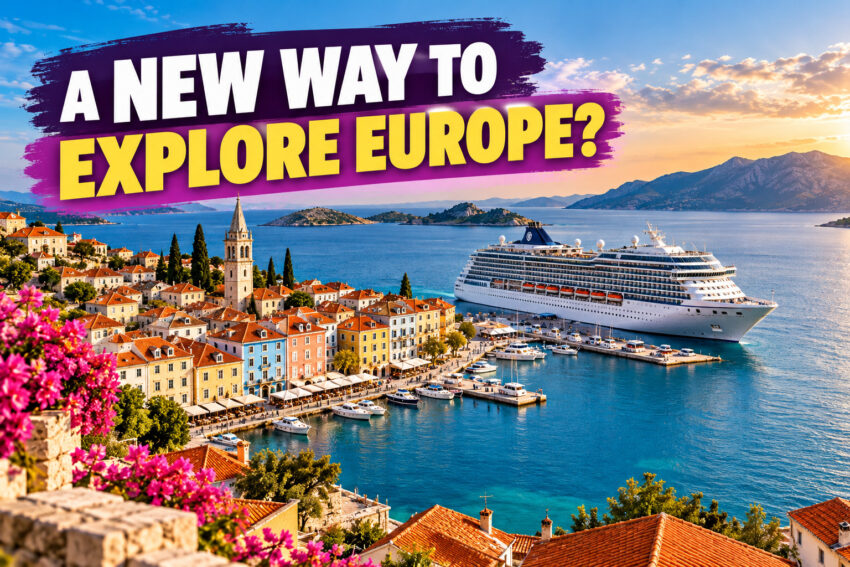
Europe’s most famous destinations attract millions of visitors, but what about the smaller coastal towns, historic ports and quieter communities that often receive less attention?
Cruise tourism is increasingly part of the conversation about how Europe can spread tourism beyond crowded hotspots, support local businesses and manage visitors more effectively. At the same time, cruise ships can bring large numbers of people into small destinations within a short period, creating challenges for local infrastructure, residents and the environment.
The key question is not simply whether cruise tourism can bring more visitors to lesser-known places. It is whether destinations can welcome those visitors in ways that benefit local communities while protecting what makes each place special.
Why is Europe looking beyond its most famous destinations?
Cities and regions such as Venice, Barcelona and Dubrovnik are well known for their architecture, culture and scenery. Their popularity also brings pressure on public spaces, transport, housing and local services.
Tourism management is therefore about more than attracting visitors. Destinations must also consider when people arrive, how many people visit at once, where they spend money and how tourism affects everyday life.
Encouraging travel to a wider range of destinations could help distribute some tourism activity across different regions and seasons. However, this only works when alternative destinations have the infrastructure and resources to handle additional visitors.
Europe’s wider discussion about year-round tourism and visitor management reflects a growing need to balance tourism revenue with residents’ quality of life and the preservation of local culture.
How can cruise tourism benefit lesser-known destinations?
One example highlighted in the recent Euronews report is Syros, a Greek island with historic architecture and local cultural traditions. It has been added to cruise itineraries as an alternative to better-known Greek islands such as Santorini and Mykonos.

Cruise tourism can help smaller destinations in several ways.
1. Supporting local businesses
Visitors may spend money on local food, guided tours, handicrafts, transport and cultural activities. When these services are provided by local businesses, tourism can help create income and employment.
2. Bringing attention to overlooked places
Cruise itineraries can introduce travellers to towns and islands they might not otherwise consider. Some visitors may even decide to return for a longer holiday.
3. Extending the tourist season
Travel outside the busiest summer months can bring customers to local businesses during quieter periods. This may help destinations reduce their dependence on a short peak season.
4. Encouraging cultural experiences
Walking tours, local food tastings, traditional crafts and visits to historic villages can give visitors a deeper understanding of a destination than simply seeing its most famous landmark.
These benefits are not automatic. They depend on how itineraries are designed, whether visitors spend money locally and whether communities have a meaningful role in tourism decisions.
Which lesser-known European places could travellers explore?
Here are four destinations worth considering if you want to look beyond Europe’s busiest hotspots.
1. Syros — Greece
Explore elegant architecture, traditional neighbourhoods, local food and island culture. It offers a different atmosphere from Greece’s most internationally famous islands.
2. Garachico — Spain
Discover a historic Canary Islands town with traditional architecture, coastal scenery and natural swimming pools. It can appeal to visitors looking for more than a beach resort.
3. Betancuria — Spain
A historic inland town where visitors can explore heritage, local traditions and the quieter landscapes of Fuerteventura.
4. Tejeda — Spain
A mountain village known for dramatic landscapes and traditional Canarian character. It is an example of how excursions inland can spread tourism beyond coastal ports.
Euronews reports that cruise itineraries and cooperation with local authorities are helping bring visitors to these Canary Islands villages, with an emphasis on local traditions, craftsmanship and gastronomy.
Note: These are destination examples, not a guarantee that every cruise itinerary includes them. Check the route and excursion details before booking.
The challenges: Can cruise tourism create new problems?
Although cruise tourism can create opportunities, it can also place pressure on small communities.
Crowding: A ship can bring many visitors into a compact town within a short period.
Infrastructure pressure: Roads, public transport, toilets, waste services and historic sites may struggle to accommodate sudden visitor peaks.
Environmental concerns: Cruise operations have emissions and other potential impacts on marine and coastal environments.
Uneven economic benefits: Visitor spending does not necessarily reach local residents or independent businesses in a meaningful way.
Cultural pressure: A destination’s traditions and everyday spaces can become overly commercialised if tourism grows without community involvement.
The European Commission has highlighted the need for sustainable coastal tourism and better management of the pressures facing islands and coastal communities.
How can Europe manage cruise tourism more responsibly?
A successful approach requires cooperation between cruise operators, local councils, transport providers and residents.
Practical measures include:
Scheduling arrivals to reduce large visitor peaks.
Investing in public transport and walking routes.
Providing clear visitor information and alternative itineraries.
Supporting locally owned tours, restaurants and craft businesses.
Encouraging travel during spring, autumn and winter where appropriate.
Monitoring visitor numbers and environmental impacts.
The recent Euronews report also highlights Dubrovnik’s Respect the City programme, which uses visitor-management measures to help protect the historic city while welcoming tourists.
The goal should not be to send visitors to every quiet place simply because it is less crowded. It should be to help destinations welcome tourism at a scale they can manage.
Is a quieter destination better than a famous hotspot?
That depends on what you want from your trip.
If you love world-famous museums, iconic landmarks and major attractions, Europe’s best-known cities may still be the right choice. But if you prefer local food, traditional architecture, smaller communities and a slower pace, a less-visited destination could offer a rewarding alternative.
Before choosing a destination, consider its transport connections, opening hours, local customs and the season you plan to visit. For cruise passengers, also check how long the ship stays in port and whether the excursion allows enough time to explore comfortably.
Final thoughts
Cruise tourism could help lesser-known European destinations gain visibility, support local businesses and attract visitors outside the peak summer season. Examples such as Syros and the Canary Islands villages show how itineraries can introduce travellers to places beyond the usual tourist circuit.
But spreading tourism is not simply about moving crowds from one location to another. It requires planning, investment, environmental responsibility and genuine benefits for local communities.
Europe’s next great travel discovery may not be its most famous landmark. It could be a small harbour, a historic village or an island whose story deserves to be heard.
Sources
Euronews — Spreading the flow: cruise tourism helps Europe protect local identity (12 October 2026). This is partner content presented by MSC Cruises, so its industry perspective should be considered when evaluating its claims.